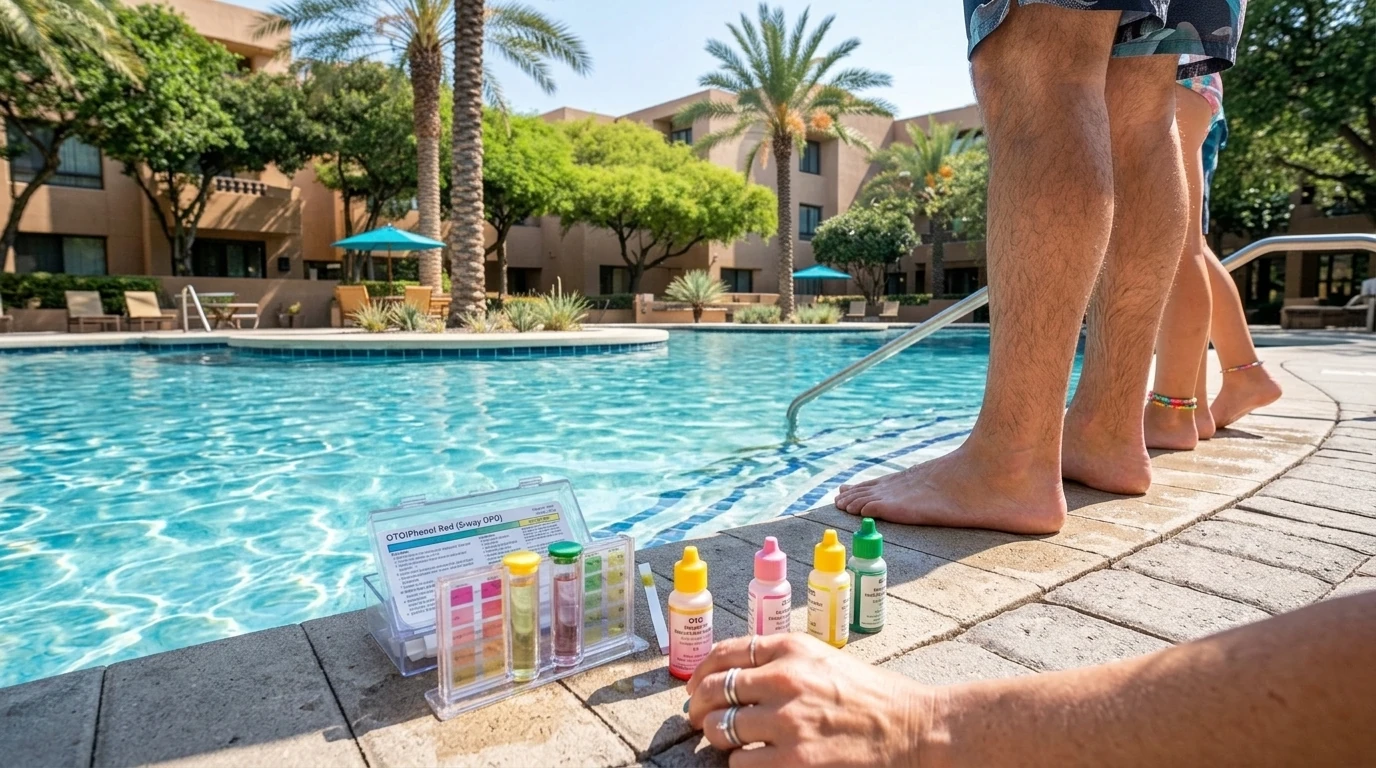
Naples pool filters take a beating year-round. This step-by-step guide from 239 Pool Joy walks you through how to deep clean your cartridge filter with muriatic acid, safely and correctly, so your pool stays clear all season.
June 16, 2026


You just added chlorine to your pool and the kids are already asking, "Can we swim yet?" It is one of the most common questions pool owners face during swimming season in Florida.
The short answer: it depends on what you added. Different pool chemicals require different wait times before it is safe to swim. Getting back in the water too soon can cause skin and eye irritation or expose swimmers to concentrated chemical levels that have not had time to disperse.
This guide breaks down exactly how long to wait to swim after adding every common pool chemical, what to test before jumping in, and how to keep your swimming pool safe for everyone.
When you add any chemical to your pool, it does not instantly mix evenly through all the water. The chemical needs time to circulate, dilute, and reach a safe concentration throughout the entire pool.
Here is why waiting matters:
The general rule is simple: always let your pump run after adding chemicals, and test your pool water before anyone gets back in.
Here is a quick reference for how long to wait to swim after adding the most common pool chemicals. These are general guidelines. Always refer to the manufacturer's instructions on the specific product you are using, as some formulas may require a longer wait time.
General Guideline: When in doubt, wait 30 minutes after adding any chemical, run the pump the entire time, and test your pool water before anyone gets in. For shock treatments, always wait a minimum of 12 to 24 hours before swimming.
Chlorine is the backbone of pool chemistry. It is what keeps the water clean, clear, and safe to swim in by working to kill bacteria and other contaminants. But the concentration of chlorine matters a lot when it comes to swimmer safety.
Safe chlorine levels for swimming:
When you add liquid chlorine or granular chlorine to your pool, the dose creates a temporary spike in concentration near the point of entry. That is why you want the pump running to circulate the water and help the chemical disperse evenly.
Tips for adding chlorine safely:
Shocking your pool is different from regular chlorine dosing. When you shock your pool, you are adding a concentrated dose designed to spike chlorine levels high enough to kill alga, bacteria, and break down organic waste.
Because the dose is so much stronger, the wait time is longer:
After shocking, always test your pool water. Do not rely on time alone. The concentration of chlorine needs to drop below 5 ppm before it is safe to swim. In some cases, especially after a double dose for heavy alga problems, it can take longer than 24 hours for levels to come down.
Muriatic acid is commonly used to lower pH in swimming pool water. It is effective, but it is also corrosive and potentially dangerous at full concentration.
After adding muriatic acid:
For pH increaser (soda ash) or alkalinity adjustments, the wait time is shorter. Wait 30 minutes, test, and you should be good to go.
No matter which chemical you add, the safest recommendation is the same: test your pool water before you let anyone swim.
Here is what to check:
Testing takes less than a minute with test strips or a liquid testing kit. Many pool owners keep a kit right by the pool deck so they can check levels quickly during swimming season.
If any reading is outside the safe range, wait before getting back in the water. Run the pump, let the chemicals circulate, and retest in 30 minutes to an hour.
Pool Math Tip: When you know your pool's gallon capacity, you can calculate exactly how much chemical to add for the right dose. This avoids over-treating, which means shorter wait times and less chemical usage overall.
Swimming before chemicals have had time to disperse is not just unpleasant. It can actually pose health risks, especially for children and anyone with sensitive skin.
Possible effects of swimming too soon include:
None of these are serious long-term risks for healthy adults in most cases. But they are uncomfortable and completely avoidable. A few extra minutes of patience and a quick pool testing check is all it takes to keep every swimmer safe.
Keeping chemical levels balanced so your pool is always safe to swim in takes consistent pool care. That is exactly what 239-POOL-JOY delivers for pool owners across Ave Maria, Naples, Fort Myers, and all of Southwest Florida.
Our weekly pool service includes:
We take the guesswork out of adding pool chemicals. When 239-POOL-JOY handles your pool care, you never have to wonder how long to wait to swim. Your pool is always balanced, always clean, and always ready.
Adding pool chemicals does not have to be stressful. As a general rule, wait 30 minutes after adding most chemicals, wait 12 to 24 hours after shocking, and always test your pool water before letting swimmers back in. Follow the manufacturer's instructions on every product, and when in doubt, wait a little longer.
If keeping up with chemical balance, testing, and treatment feels like too much, let the team at 239-POOL-JOY handle it for you. We serve pool owners across Ave Maria, Naples, Fort Myers, Cape Coral, Bonita Springs, and all of Southwest Florida with professional pool care, cleaning, equipment repair, and leak detection services.
Call us today at (239) 766-5569 or contact us online to set up weekly pool service. We will keep your pool balanced, clean, and always ready for a swim.

Our Blog


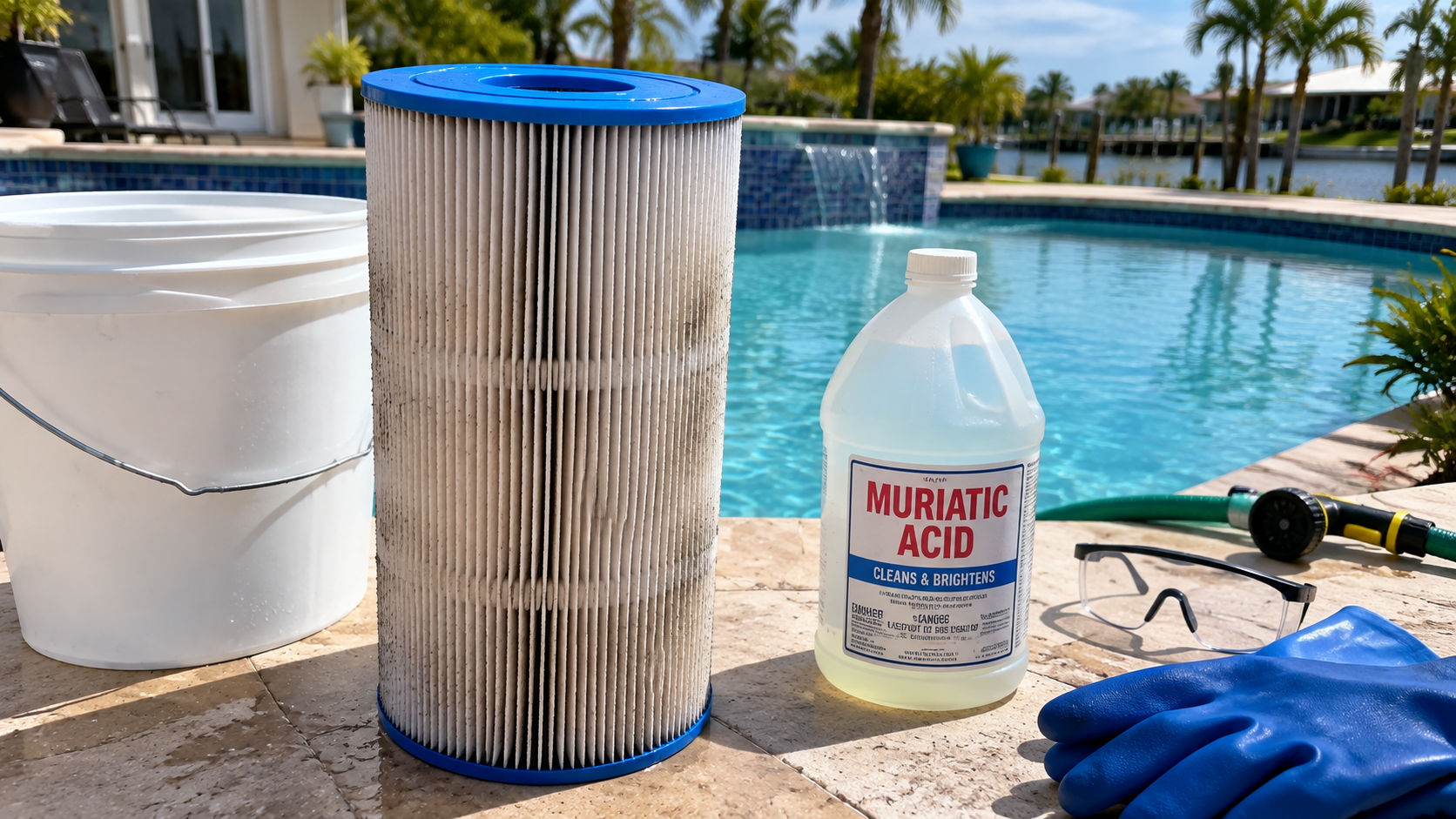
Naples pool filters take a beating year-round. This step-by-step guide from 239 Pool Joy walks you through how to deep clean your cartridge filter with muriatic acid, safely and correctly, so your pool stays clear all season.
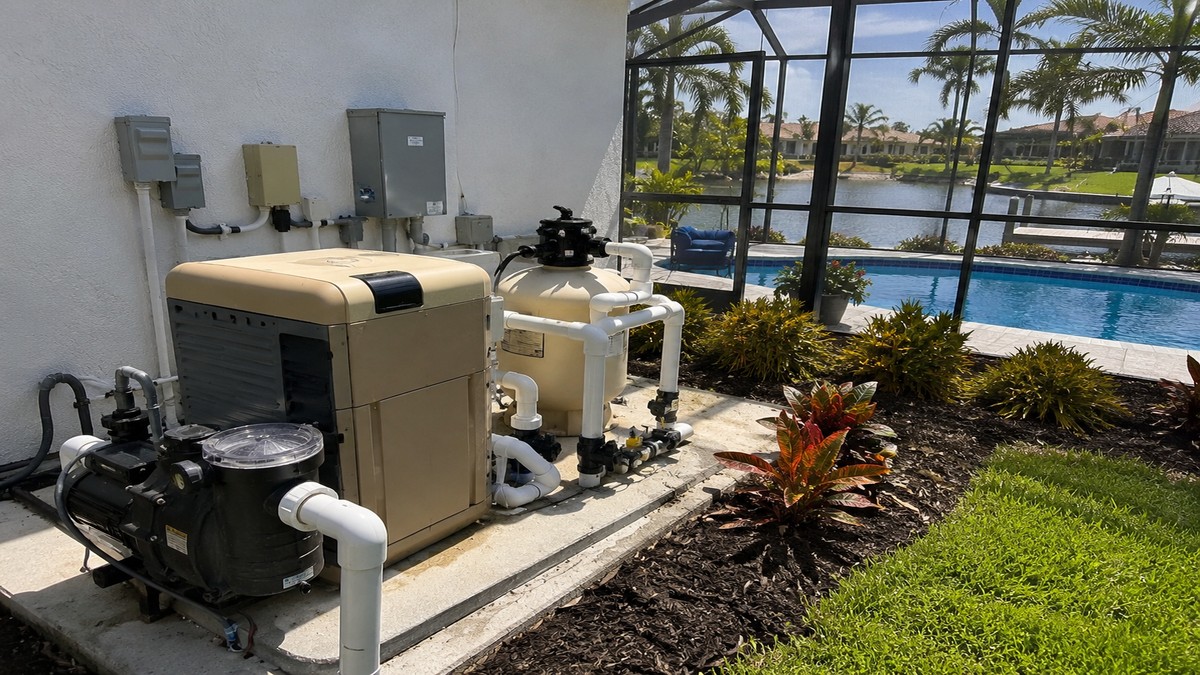
Pool equipment installation guide covering heaters (gas, heat pump, solar), pump sizing and single-speed vs. variable-speed, and automation systems, plus what the installation process involves for Naples and Ave Maria homeowners.
Naples humidity keeps your pool fighting algae year-round. Here's the routine that actually works.

© 2026 239-POOL-JOY LLC. All Rights Reserved | By Bulldog Marketing Group
Pool cleaning company | Naples pool service
Business licensed #SCC131152842
Sitemap